
Identity Architecture
Identity Architecture is the design of systems that allow identity to remain coherent, recognizable, and meaningful over time.
Where traditional branding focuses on campaigns and visual refreshes, Identity Architecture defines the underlying structure that allows an institution to remain stable across decades, platforms, and cultural contexts.
Most organizations treat identity as surface.
Logos change.
Campaigns evolve.
Language shifts.
Over time, the system fragments.
Recognition weakens.
Identity Architecture begins with the opposite premise: identity must be built as a system before it can succeed as expression.
Identity Architecture typically includes:
-Symbol systems
-Typographic systems
-Language and naming structures
-Digital identity environments
-Institutional continuity
Together these elements form a framework that allows identity to remain recognizable even as organizations evolve.
Evidence in Practice
Selected projects demonstrate how Identity Architecture operates in practice across cultural institutions, foundations, and enduring organizations.
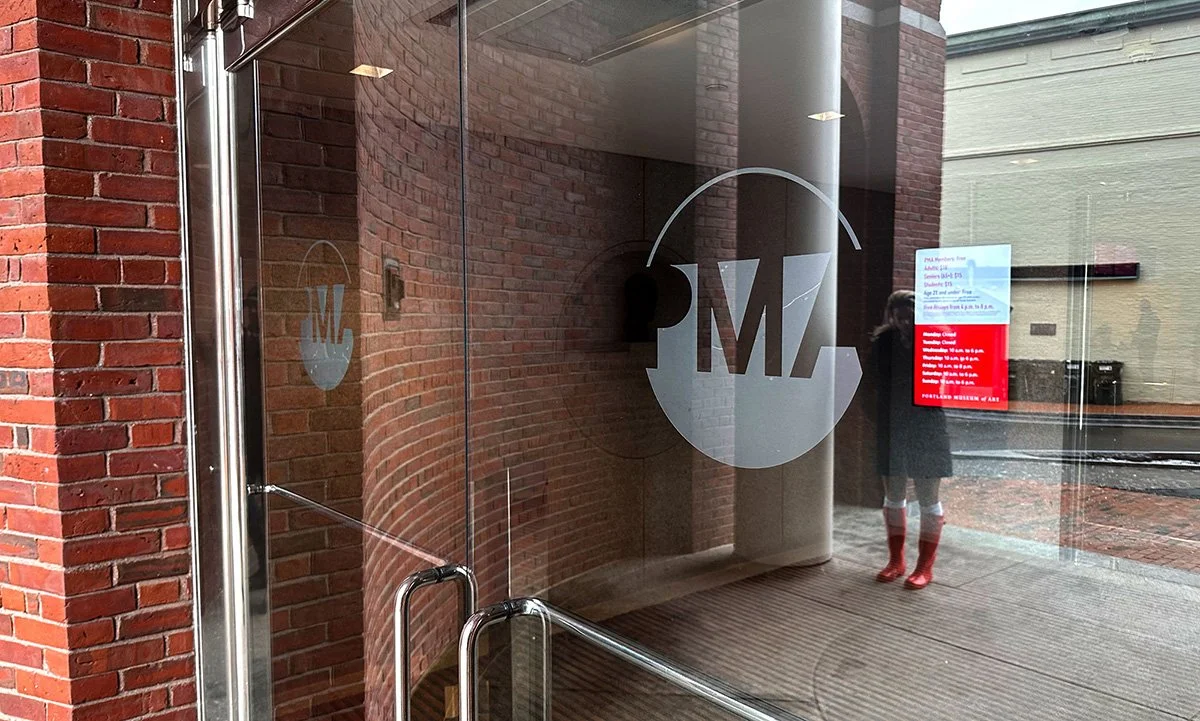
Portland Museum of Art
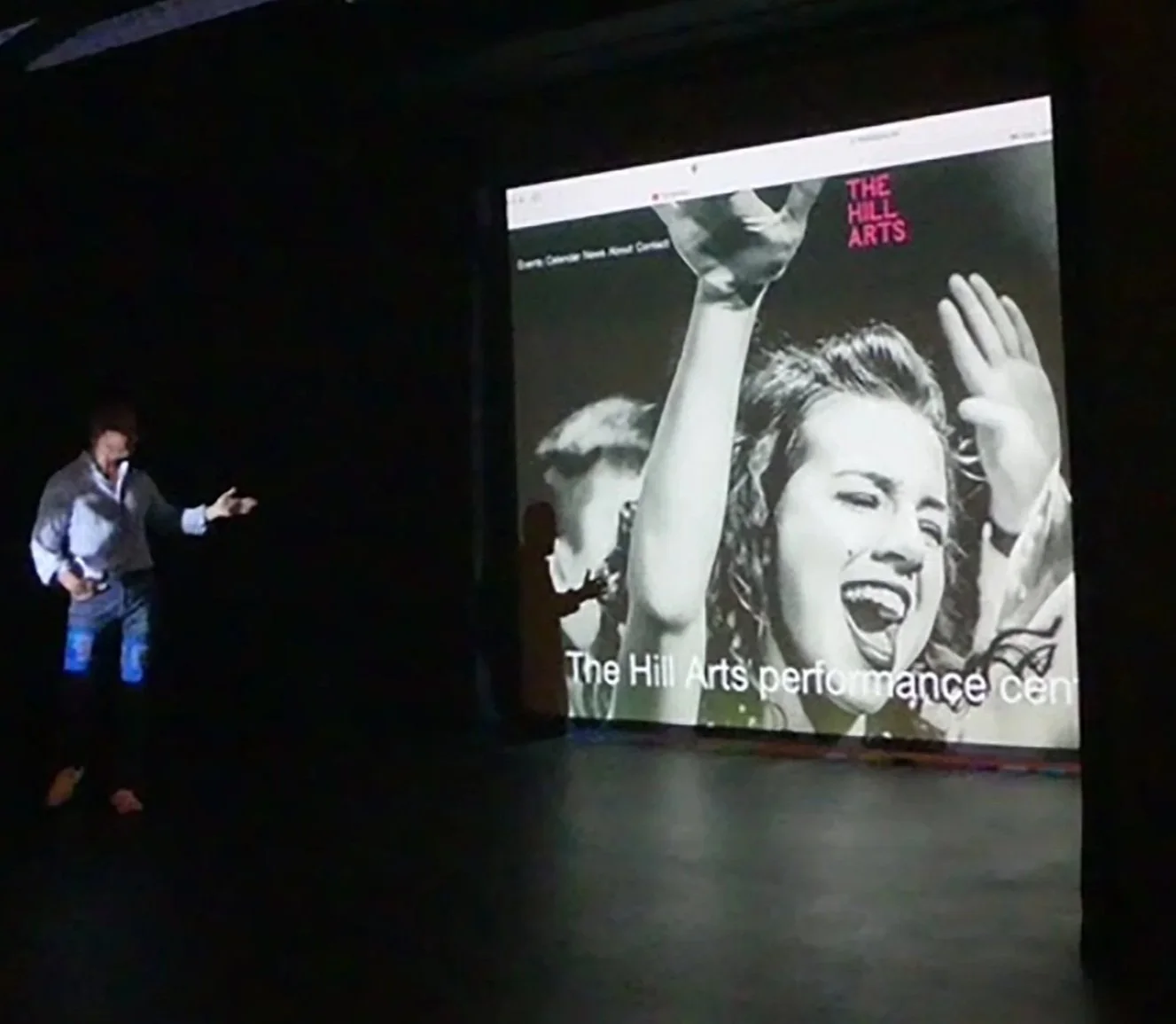
The Hill Arts

Bell & Beacon
Identity Architecture reflects Murphy’s belief that identity should be designed for endurance rather than attention.
When identity is structured well, recognition becomes inevitable.
This is the practice of Identity Architecture.
Murphy works with organizations that believe identity should be built for endurance.
Explore Selected Work or begin an Engagement.